In the context of a VPN (Virtual Private Network), "vpn delay" refers to the time lag or latency experienced during the authentication and session setup phases. This delay occurs when the VPN service fails to respond promptly to requests, causing a temporary delay in data delivery. This can be due to network issues, slow internet connections, or other factors. To minimize delays: 2. Check Network Speed: Verify the speed of your network and consider upgrading if necessary. 3. Use a Reliable VPN Service: Opt for a reputable VPN service known for its reliability and speed. 4. Strong Password: Ensure your VPN password is strong to enhance security against common vulnerabilities. By implementing these strategies, you can reduce the likelihood of encountering delays when using a VPN service....
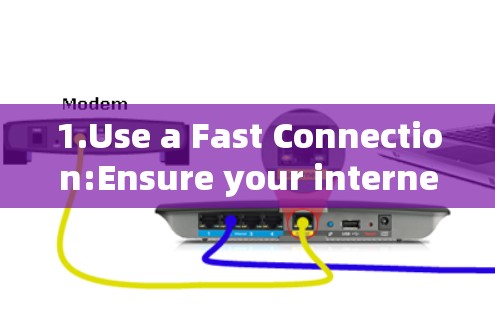
In the context of a VPN (Virtual Private Network), "vpn delay" refers to the time lag or latency experienced during the authentication and session setup phases. This delay occurs when the VPN service fails to respond promptly to requests, causing a temporary delay in data delivery. This can be due to network issues, slow internet connections, or other factors. To minimize delays:
2. Check Network Speed: Verify the speed of your network and consider upgrading if necessary.
3. Use a Reliable VPN Service: Opt for a reputable VPN service known for its reliability and speed.
4. Strong Password: Ensure your VPN password is strong to enhance security against common vulnerabilities.
By implementing these strategies, you can reduce the likelihood of encountering delays when using a VPN service.


 轩辕
轩辕