What is a VPN?
When you're using an Android device, a VPN can be a useful tool for several reasons, including protecting your internet from malware and phishing attempts, avoiding unwanted websites, and ensuring you have a secure browsing experience. A VPN acts as a virtual private network, connecting you to the internet through a private and secure connection.
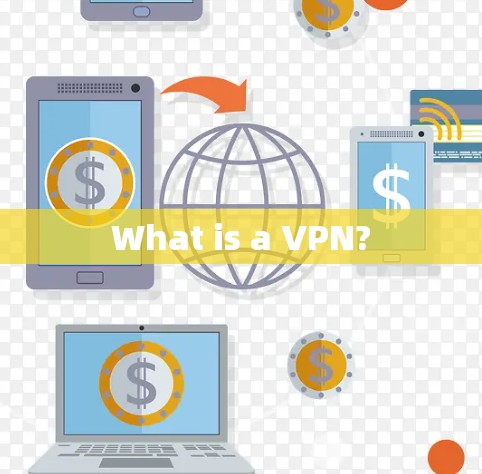
A VPN is a software or internet service that encrypts your internet traffic, making it difficult for hackers to access your data. It works by splitting the connection into two: one for your data (the private or client side) and one for the rest of the internet (the public or server side). This ensures that your data is encrypted and secure, while still allowing you to connect to your usual internet.
Types of VPNs for Android
There are two main types of VPNs: client-side and server-side VPNs.
-
Client-Side VPNs:
- These VPNs connect directly to your device's internet.
- They often offer features like secure site filtering, traffic filtering, and a variety of secure protocols (e.g., SSL/TLS).
- Client-side VPNs are often more user-friendly and easier to use.
-
Server-Side VPNs:
- These VPNs connect to a server that hosts your data.
- They are often used for more complex tasks, such as streaming, downloading files, and accessing public Wi-Fi.
- Server-side VPNs are more resource-intensive and slower than client-side VPNs.
Benefits of Using a VPN for Android
- Secure Browsing: By encrypting your internet traffic, a VPN makes it harder for hackers to access your accounts, websites, and data.
- Avoid Phishing and Malware: VPNs can filter out URLs that are unsafe or suspicious, helping you avoid phishing and malware attacks.
- Reduced Risk of Malware: By filtering out malicious websites, a VPN can reduce the risk of malware or viruses.
- Fast and Secure Connections: VPNs ensure that your internet connection is fast and secure, even when you're not actively using the service.
Risks of Using a VPN for Android
- Malware and Phishing Attacks: While VPNs can help protect you from these types of attacks, they don't prevent them entirely. Be cautious of websites that seem too secure or offer free VPN services.
- Data Privacy Risks: While encryption can protect your data, it doesn't eliminate all risks. Still, it's a good first step in protecting your privacy.
- Lack of Testing: VPNs don't have the same level of testing and security as a real network. They can be vulnerable to similar vulnerabilities that affect your internet connection.
How to Choose a VPN for Android
When choosing a VPN for Android, look for the following:
- Reputation: Ensure the service has a good track record of security and reliability.
- Speed: Opt for a VPN that offers fast speeds and low latency.
- User Reviews: Read reviews from other users who have used the service.
- Account Security: Use a reputable account provider to avoid accidental misuse of your account.
Important Tips
- Use a VPN with a Free Account: Avoid using a VPN that requires a paid account, as these services are often not secure or reliable.
- Never Share Your Account Passwords: Do not share your account passwords with others, as this can expose your data to attackers.
- Don't Trust What You See on Social Media: Be cautious of websites that claim to use a VPN but don't provide any security guarantees.
Conclusion
A VPN can be a valuable tool for protecting your internet and ensuring a secure browsing experience, especially when using an Android device. By understanding the benefits and risks, you can choose the best VPN service for your needs and be more confident in your online security. Always use a VPN with a reputable provider and be cautious of potential threats.
 bhu2588522