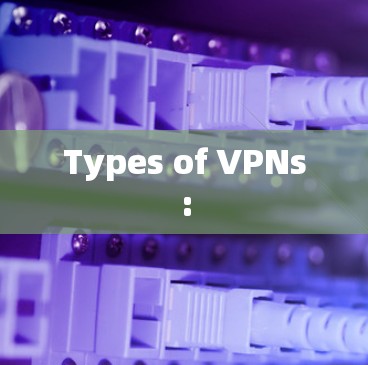
Types of VPNs:
A VPN (Virtual Private Network) is a tool that allows you to connect to a remote server over the internet, encrypting your data so that even if your local network is down or compromised, your traffic remains private and secure. VPNs are widely used by people interested in securing their online activities, access to remote services, or browsing the internet without worrying about being caught on your own network.
- HTTP VPNs: These are the most common type of VPNs and are used for web browsing, online banking, and accessing the internet.
- HTTPS VPNs: These provide a secure connection over the internet, making your browsing more secure.
- IPsec VPNs: These use a more advanced encryption method, providing better security for sensitive data.
How VPNs Work:
VPNs work by creating a virtual private network on your computer. They connect to a remote server over the internet, encrypting the data so that it cannot be read by your local network. This is often done using protocols like HTTP, HTTPS, or IPsec.
Benefits of Using a VPN:
- Privacy: Your online activities are encrypted and only visible to you.
- Security: Your data is protected from intercepts and eavesdropping.
- Control: You can access remote services from anywhere, even if you're not logged into your local network.
Considerations:
- Data Intercept: While VPNs are great for privacy, they can still intercept your data if it's transmitted over the internet.
- Account Security: Your VPN account is often used to access your personal information, so it's important to keep it secure.
- Cost: VPNs can be expensive, so it's important to choose a reputable provider that offers good customer service and a good range of features.
Tips for Choosing a VPN:
- Reputable Providers: Look for well-known and reputable VPN providers, such as 2x, secant, or OpenVPN.
- Customer Reviews: Check out reviews and ratings to see how others have used the service.
- Terms of Service: Make sure you understand how your VPN handles encryption, data protection, and account security.
VPNs are a great way to enhance your online privacy and security, but they should not replace a strong firewall or antivirus software. Always ensure you fully understand the terms of your VPN service before using it.
 轩辕
轩辕